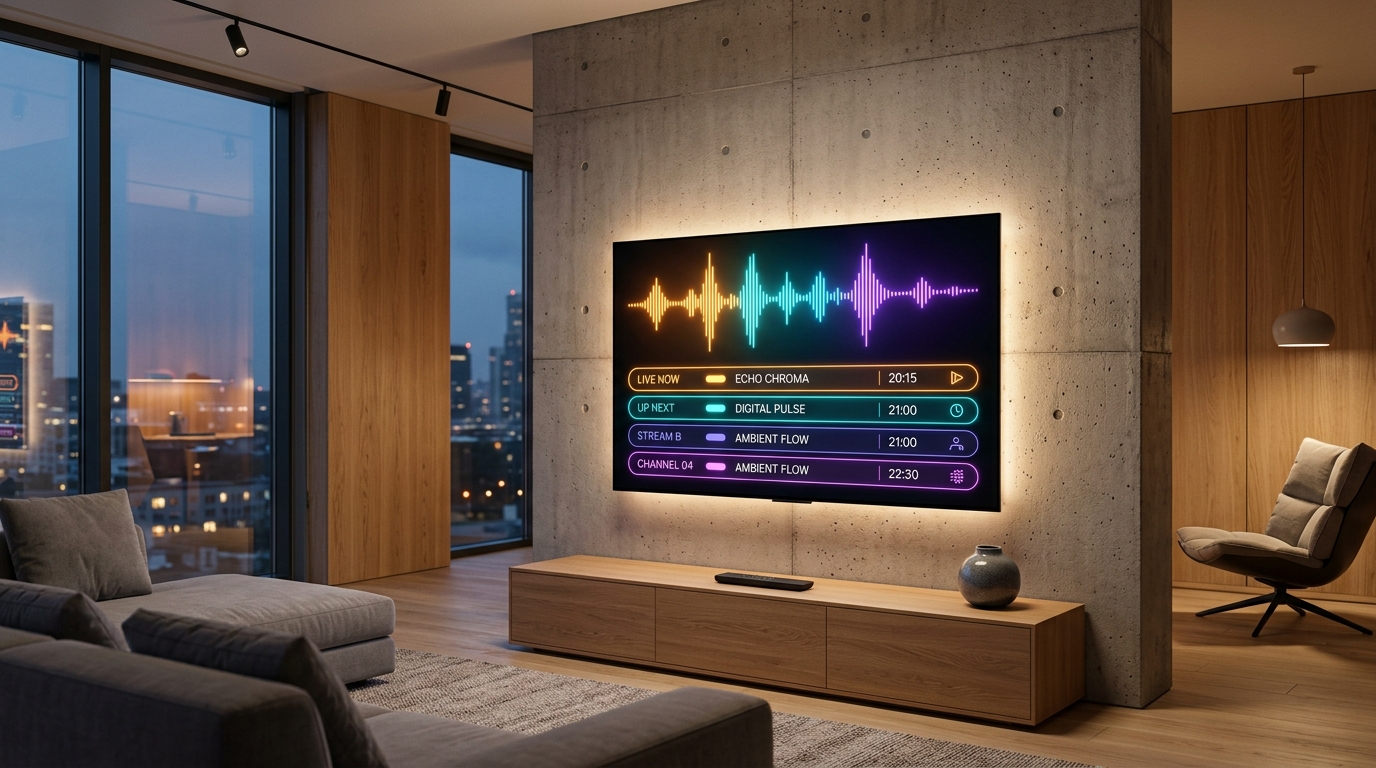
Cable TV Guide: Costs, Providers & Best Alternatives
Explore the real costs of cable TV in 2026. Discover hidden provider surcharges, hardware rental fees, channel package breakdowns, and top modern streaming alternatives.
Streaming Tech Specialist
Verified Technical Guide
Key Takeaways & Quick Summary
- 1Traditional cable TV delivers encrypted broadcast signals over physical coaxial or fiber lines into proprietary rented set-top converter boxes.
- 2Advertised introductory promotional rates ($50–$70/mo) frequently jump to $130–$180/mo once mandatory broadcast surcharges, regional sports fees, and box rentals are added.
- 3Unlike streaming or IPTV, legacy cable TV ties viewing strictly to physical coaxial wall outlets and requires multi-year contracts with termination penalties.
- 4Modern carrier-grade IPTV services like IPTVBoz deliver over 50,000 live global channels and sports in 4K for ~$14.99/mo or $59.99/yr with zero equipment rental fees.
- 5Households can easily cut the cord by securing standalone high-speed broadband and streaming on devices they already own, like Firesticks and smart TVs.
For over four decades, cable tv served as the standard backbone of home entertainment across millions of households. It brought high-definition sports, round-the-clock news, and prime-time broadcast networks straight into living rooms through a dedicated physical wire.
However, modern television habits have shifted dramatically. Skyrocketing monthly invoices, mandatory hardware rentals, and long-term contracts have forced consumers to reevaluate whether traditional cable tv still offers genuine value compared to modern alternatives like IPTV vs cable TV and transparent IPTV subscription pricing.
In this comprehensive guide, you will learn how cable television operates today, what subscribers actually pay once hidden surcharges are calculated, how major legacy providers compare, and which modern alternatives deliver better flexibility at a fraction of the price.
What Is Cable TV and How Does It Work?
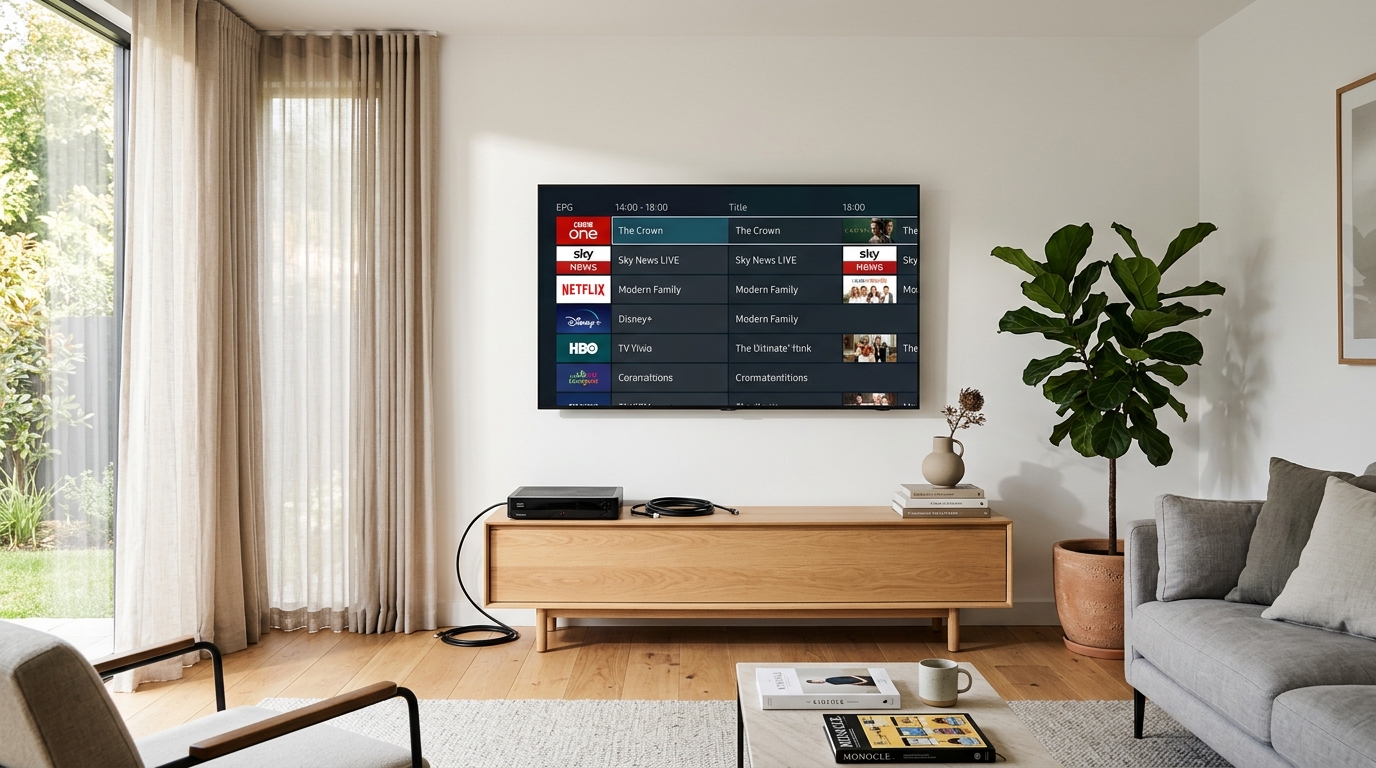
Traditional cable tv relies on a physical network of radio frequency signals transmitted through coaxial or fiber-optic cables buried underground or strung along utility poles.
These physical cables connect directly to a junction box at your residence, which routes into a set-top converter box attached to your television. The converter box decodes encrypted signals sent by the cable provider's central hub, known as the "headend."
Because traditional cable operates through dedicated closed-circuit infrastructure, it does not rely on your home internet bandwidth to stream live channels. However, this legacy architecture requires proprietary hardware for every TV in your home and limits viewing strictly to physical coaxial outlet locations.
How Much Does Cable TV Really Cost?
When evaluating cable tv plans, the advertised teaser price rarely matches the actual amount debited from your bank account each month.
Major cable operators frequently market introductory promotional packages starting between $50 and $70 per month. Once mandatory broadcast surcharges, franchise assessments, and set-top box rentals are factored in, the true monthly expense typically ranges between $120 and $170 for a standard household.
Understanding Hidden Cable Surcharges
• Broadcast TV Surcharges ($22–$32/mo): Telecom operators charge subscribers an extra fee simply to carry local over-the-air stations like ABC, CBS, NBC, and FOX.
• Regional Sports Network (RSN) Fees ($12–$18/mo): Even if you never watch baseball or basketball, this surcharge is automatically added to standard cable programming tiers.
• Set-Top Box Rentals ($12–$15/box/mo): Outfitting a three-bedroom household with standard DVR and receiver boxes costs an extra $36 to $45 every month in permanent equipment lease fees.
The Advantages and Disadvantages of Cable TV
Understanding both sides of traditional television helps determine whether retaining a wired cable subscription makes sense for your household:
Pros and Cons Breakdown
• Pros: Independent of home internet traffic, familiar numeric remote controls, and instant channel switching with minimal latency.
• Cons: Mandatory $15/mo equipment rentals per television, rigid 1-to-2 year service agreements, lack of mobile viewing portability, and steep post-promotional rate jumps.
Overview of Major Cable TV Providers
Depending on municipal franchise agreements, most suburban and urban regions are limited to one or two legacy providers:
• Xfinity (Comcast): The nation's largest cable operator, featuring the intuitive X1 interface but notable for steep regional sports surcharges and post-promotional rate hikes. • Spectrum (Charter): Notable for eliminating standard long-term contracts, though base prices and broadcast TV surcharges remain substantial. • Cox Communications: Delivers reliable signal stability and custom Contour DVR features, but requires hardware leases on almost all secondary household sets. • Optimum (Altice): Prominent in the Northeast, offering flexible broadband bundles alongside traditional digital television tiers.
The Best Modern Alternatives to Cable TV
If you are ready to cut the cord or reduce your monthly entertainment budget, several viable alternatives exist to replace your cable line:
1. High-Performance IPTV (IPTVBoz): High-speed carrier-grade IPTV provides thousands of live global channels, 4K sports, and expansive on-demand libraries for under $60 annually with zero hardware rentals. 2. Over-the-Air (OTA) Antennas: A one-time $25–$50 digital antenna delivers crystal-clear local broadcast channels (ABC, CBS, NBC, FOX) in uncompressed 1080i/4K for free. 3. Virtual MVPDs (YouTube TV, Hulu + Live TV): Deliver traditional cable channel lineups over the internet with cloud DVR, though monthly prices have risen to between $75 and $95/month.
Step-by-Step: How to Transition Away From Cable TV
1. Audit Your Channels: Track the networks your family actually watches over two weeks to avoid paying for bloated channel bundles.
2. Order Standalone Broadband: Switch to a standalone high-speed internet tier (100–300 Mbps is plenty for multiple concurrent 4K streams).
3. Equip Your Displays: Use universal streaming devices like Amazon Firesticks, Apple TVs, or your existing Smart TV app store.
4. Subscribe to a Flexible TV Service: Enjoy live sports and global channels with flexible IPTV subscriptions like IPTVBoz with zero hardware lock-in.
5. Return Leased Hardware: Drop off all leased cable boxes, power cords, and remotes at your local provider store and retain your return receipt.
Frequently Asked Questions
What is the difference between cable TV and streaming?
Cable television delivers linear video channels through physical coaxial wiring hooked into a proprietary set-top box. Streaming delivers video content over your home internet connection to applications installed on smart TVs, streaming media sticks, tablets, and mobile devices.
Can I get cable TV channels without a physical cable box?
Yes. You can stream live television channels through internet-delivered platforms, certified smart TV applications, or modern IPTV clients like IPTVBoz without leasing physical decoder hardware from a telecom operator.
What internet speed do I need to replace cable TV?
A standard internet connection of 25 Mbps is sufficient for a single high-definition or 4K live stream. If multiple family members stream simultaneously on different screens, an internet tier of 100 to 300 Mbps ensures smooth, buffer-free playback.
Are broadcast TV and sports fees mandatory on cable?
On traditional cable contracts, broadcast TV fees and regional sports surcharges are non-negotiable line-item additions mandated by the service provider, even if you never watch sports or local broadcast programming.
Is it cheaper to bundle internet and cable TV?
While telecom companies advertise promotional bundle discounts, adding cable TV almost always increases your total bill due to equipment leases, broadcast fees, and taxes. In most cases, pairing standalone internet with a cost-effective streaming or IPTV service saves between $800 and $1,400 annually.
Need Help Configuring Your Setup?
Our team is active on WhatsApp (+44 7934 683184) and email (tvplusone24@gmail.com) to walk you through playlist setup, recommend media players, or activate your subscription instantly.
Keep Reading
Recommended Streaming Guides
Cheapest Live TV Streaming Service (2026): Lowest Cost Options Ranked
IPTV vs Cable TV (2026): In-Depth Comparison, Pricing & Channels