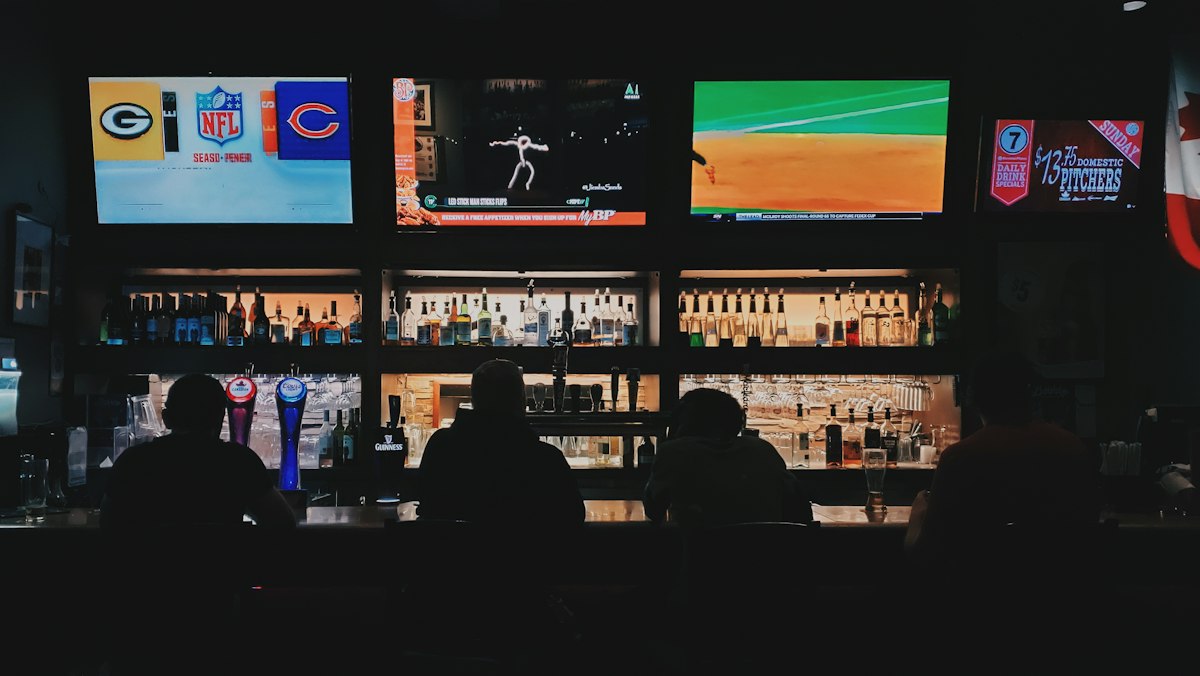
Best Live Streaming Services (2026): Top Platforms for Sports, TV & News Ranked
Find the top live streaming services in 2026. Discover how premier linear platforms rank for broadcast latency, native 60fps sports, server reliability, and all-in-one affordability.
Senior Broadcast Media Engineer
Verified Technical Guide

Key Takeaways & Quick Summary
- 1Live streaming services differ fundamentally from on-demand video: linear feeds require real-time HLS/DASH packet distribution, low-latency edge caching, and active load balancing to prevent freezing during high-traffic events.
- 2The consumer market divides into three tiers: Virtual MVPDs (YouTube TV, Fubo, Sling TV) for corporate cable channels; Unified IPTV networks (IPTVBoz) for 50,000+ global channels and PPV; and Free Ad-Supported TV (FAST: Pluto TV, Tubi).
- 3For live sports, 60fps (frames per second) refresh rates and low broadcast latency (under 25 seconds) are essential to prevent jitter and avoid spoilers from smartphone notifications.
- 4While commercial vMVPDs now cost $72.99 to $95+ per month with strict regional sports blackouts, high-performance IPTV networks provide unrestricted global feeds for just $14.99/month or $59.99/year.
- 5To eliminate buffering on live streams, hardware matters: hardwiring streaming devices (Apple TV 4K, Fire TV Cube, Nvidia Shield) with Cat6 Ethernet delivers far greater stability than congested 2.4GHz Wi-Fi.
The demand for dependable live streaming services has never been higher. As millions of households cut the cord on legacy coaxial and satellite contracts, the expectation for real-time entertainment remains unchanged: viewers still want instant access to breaking local news, national primetime broadcasts, live global sports tournaments, and major cultural events. However, delivering live video across the internet is exponentially more challenging than streaming on-demand movies.
When you stream a pre-recorded movie on Netflix or Max, the platform pre-buffers large chunks of video into your device memory. If your connection temporarily dips, playback continues smoothly. Live streaming services, by contrast, must encode, chunk, distribute, and decode video packets within fractions of a second. A momentary spike in network traffic or an overloaded content delivery server immediately results in the dreaded spinning wheel, audio desync, or pixelated dropped frames.
In this exhaustive 2026 industry benchmark, we examine the leading live streaming services across virtual cable replacements (vMVPDs), unified enterprise IPTV providers, and free linear platforms. We evaluate real-world broadcast latency, native 60fps video quality, simultaneous stream limits, channel lineups, and overall value to help you choose the best live streaming service for your household.
The Engineering Behind Modern Live Streaming Services
To select the most reliable live streaming service, it helps to understand how live video travels from the stadium or television studio to your living room screen. Unlike legacy cable, which pushes an uncompressed RF signal through physical coaxial infrastructure, internet live streaming relies on adaptive bitrate protocols such as HTTP Live Streaming (HLS) and Dynamic Adaptive Streaming over HTTP (DASH).
A live broadcast camera captures footage at 60 frames per second. An encoder compresses the raw feed into video chunks (typically 2 to 6 seconds in length) at various resolution tiers (480p, 720p, 1080p, and 4K UHD). These chunks are continuously uploaded to an origin server, pushed across global Content Delivery Networks (CDNs), and cached at edge servers closest to your home.
The quality of a live streaming service depends entirely on the architecture of those CDN edge servers. If a provider relies on budget hosting with limited bandwidth, hundreds of thousands of simultaneous viewers tuning into a championship game will overwhelm the server cluster, causing widespread outages.
Broadcast Latency: Why Streaming Lags Behind Cable
One of the most frequent complaints regarding live streaming is the delay behind real-time action. Traditional cable has a broadcast delay of roughly 5 to 7 seconds. Standard HLS streaming services often introduce a delay of 25 to 50 seconds. This lag leads to the frustrating experience of receiving a goal alert on your phone before the play happens on your TV screen. Premium live services invest heavily in Low-Latency HLS (LL-HLS) to shrink this buffer window to under 15 seconds.
Top Commercial Live Streaming Services (vMVPDs) Benchmarked
Virtual Multichannel Video Programming Distributors (vMVPDs) are direct replacements for legacy cable providers. They package traditional linear networks into a cloud-based monthly subscription without requiring specialized physical set-top boxes:
1. YouTube TV: The Most Polished Corporate Cable Alternative
YouTube TV remains the market leader in consumer satisfaction among commercial cable replacements. Priced at $72.99/mo, it provides over 100 channels—including local ABC, CBS, NBC, and Fox affiliates in nearly all US markets, alongside ESPN, FS1, TNT, and CNN. Its killer feature is an unlimited cloud DVR that stores recordings for up to nine months, coupled with a 4-game sports multiview. Its primary limitations are rising monthly fees and the absence of key Regional Sports Networks (Bally Sports / FanDuel Sports Network).
2. Fubo: The Live Athletics Specialist
Originally launched as a soccer streaming platform, Fubo has evolved into a full cable alternative carrying 185+ channels. Starting at $79.99/mo (plus mandatory regional sports fees that can add $11 to $15/mo), Fubo carries extensive international soccer leagues, college athletics, and select 4K live broadcasts. While ideal for soccer enthusiasts, the lack of Warner Bros. Discovery networks (TNT, TBS) means viewers miss out on March Madness and NBA playoff broadcasts.
3. Sling TV: The Budget-Conscious Skinny Bundle
For viewers who don’t want to pay $75+ per month, Sling TV splits its channel offering into two distinct $40/mo packages: Sling Orange (focused on Disney and ESPN) and Sling Blue (focused on Fox, NBC, and news/entertainment). Combining both costs $55/mo. However, Sling includes only 50 hours of cloud DVR, lacks local channels in many regions, and limits concurrent streaming to a single screen on Orange channels.
4. DirecTV Stream: The Premium Choice for Local Sports Networks
Starting at $79.99/mo and scaling up to $108+/mo for the Choice tier, DirecTV Stream is the only mainstream vMVPD that carries virtually every Regional Sports Network (RSN). If following your hometown MLB, NBA, or NHL team via traditional broadcast is your highest priority, it is the most complete corporate option, though it carries cable-level pricing.
The Enterprise Alternative: High-Performance Unified IPTV Services
While commercial vMVPDs provide a familiar cable experience, their prices have steadily climbed past $80 to $100 per month, all while enforcing strict geographic blackouts and limited international channel selections. In response, cord-cutters have turned in droves to high-performance enterprise IPTV networks like IPTVBoz.
Unlike consumer apps that offer 80 to 120 domestic channels, an enterprise IPTV provider aggregates over 50,000 live channels worldwide. This includes full US, UK, Canadian, European, Latin American, and Asian broadcast networks, all live pay-per-view (PPV) fighting events (UFC, boxing), and complete out-of-market sports packages (NFL Sunday coverage, NBA League Pass, Premier League, UEFA Champions League) without regional blackout restrictions.
Operating on dedicated CDN edge clusters equipped with Anti-Freeze load balancing, services like IPTVBoz deliver native 60fps video feeds and 4K Ultra HD resolution. Compatible with open-standard media players like TiviMate and IPTV Smarters Pro across Amazon Fire TV Stick, Apple TV 4K, Android TV, and smart TVs, IPTVBoz costs just $14.99/month or $59.99 for a full year—saving households more than $800 annually compared to corporate vMVPDs.
Eliminating the Frustration of Sports Blackouts
Traditional commercial streaming services are legally bound to enforce local sports blackouts. If a baseball or basketball game is broadcast on a local affiliate, national streaming feeds are intentionally blocked in that market. Enterprise IPTV networks bypass arbitrary geographic restrictions, allowing fans to watch their home teams with crystal-clear 1080p60 feeds regardless of where they live.
Free Ad-Supported Live Streaming Services (FAST Platforms)
For viewers who want casual live linear television without paying any monthly subscription, Free Ad-Supported Streaming TV (FAST) platforms have exploded in popularity. These services stream pre-programmed linear channels financed entirely by commercial advertisements:
Pluto TV, Tubi, and Samsung TV Plus
• Pluto TV: Owned by Paramount, Pluto offers hundreds of curated live channels dedicated to single television series (*Star Trek*, *CSI*, *The Price Is Right*), alongside national news feeds (CBS News 24/7, CNN Replay) and curated sports. • Tubi: Owned by Fox, Tubi offers extensive on-demand cinema alongside over 200 live streaming channels covering local news, sports highlights, and reality television. • Samsung TV Plus & The Roku Channel: Integrated directly into smart television operating systems, these platforms provide immediate access to linear news, weather, and syndicated drama without requiring an account login.
Comprehensive Live Streaming Services Comparison (2026)
Review the core capabilities, channel selections, sports coverage, and real pricing of the top live streaming services:
Live Streaming Feature Matrix
• YouTube TV: $72.99/mo. 100+ channels. Unlimited Cloud DVR (9-month retention). 3 concurrent streams. 60fps on major sports. Best overall mainstream cable replacement with sports multiview. • Fubo: $79.99/mo + RSN fees ($11–$15/mo). 185+ channels. 1,000 hours DVR. 10 home streams. Select 4K events. Best for soccer and international athletics (lacks TNT/TBS). • Sling TV (Orange & Blue): $55.00/mo ($40 standalone). 45+ channels. 50 hours DVR. 1 to 3 streams. 60fps on select networks. Best budget option for basic sports and news. • DirecTV Stream: $79.99 – $108+/mo. 75 to 105+ channels. Unlimited Cloud DVR. Unlimited home streams. Best for comprehensive Regional Sports Networks (RSNs). • IPTVBoz Unified IPTV: $14.99/mo or $59.99/year. 50,000+ live global channels + 40,000+ VOD titles. Native 60fps & 4K feeds. Anti-Freeze CDN load balancing. Zero local blackouts. Full PPV events included. Multi-screen options available. Best for comprehensive global TV and complete sports season passes without streamflation.
Optimizing Your Home Network for Buffer-Free Live Streaming
Because live streaming services process data in real time, even brief network latency spikes or Wi-Fi interference will cause dropped frames and buffering. Follow these network engineering guidelines to guarantee a flawless live stream:
1. Bandwidth Requirements for Real-Time Video
While a standard 1080p HD on-demand stream requires 5 Mbps, a live 1080p stream at 60fps requires a sustained, consistent connection of 12 to 18 Mbps to accommodate burst packets. For live 4K UHD broadcasts (such as Premier League or NFL 4K feeds), ensure your connection delivers at least 35 to 50 Mbps of stable downstream bandwidth.
2. Why Ethernet Outperforms Wi-Fi for Live Broadcasts
Wi-Fi connections are susceptible to radio interference, wall attenuation, and packet jitter. For primary television setups, connect your streaming device (Apple TV 4K, Fire TV Cube, or smart TV) via a Cat6 Ethernet cable directly into your router. Physical hardwiring reduces packet loss to near zero and eliminates buffer bloat.
3. Connecting to the 5GHz or 6GHz Wi-Fi Band
If hardwiring is not feasible, ensure your streaming device connects exclusively to the 5GHz or 6GHz (Wi-Fi 6/6E) wireless network band. The common 2.4GHz band is overcrowded by smart home appliances, Bluetooth transmitters, and neighboring routers, creating severe packet delays that cause live feeds to freeze.
4. Bypassing ISP Traffic Throttling
During major live sporting events (such as the Super Bowl or Champions League final), internet service providers often practice traffic shaping, throttling video traffic to conserve network capacity. If your speed tests report high speeds but live video stutters, route your connection through a premium VPN using the modern WireGuard protocol. Learn more in our guide on how to diagnose and fix IPTV buffering.
Frequently Asked Questions
What is the difference between live streaming services and on-demand streaming?
Live streaming services deliver real-time broadcast television, sports, and breaking news as events happen, requiring immediate video encoding and distribution with minimal latency. On-demand streaming services (like Netflix or Prime Video) host pre-recorded video files on servers that can be pre-buffered into memory minutes before viewing.
Which live streaming service is best for sports in 2026?
For mainstream domestic broadcasts with unlimited cloud DVR, YouTube TV is the top commercial choice. For viewers who want complete access to international soccer, NFL Sunday action, NBA, UFC pay-per-view events, and regional athletics without blackout restrictions, IPTVBoz IPTV provides over 50,000 live channels at a fraction of commercial costs ($59.99/year).
Why does my live stream buffer when speed tests show fast internet?
Live stream buffering is typically caused by packet jitter, local Wi-Fi channel interference, ISP video throttling, or server congestion at the broadcast origin—not basic bandwidth speed. To resolve it, hardwire your streaming device with an Ethernet cable, switch to 5GHz Wi-Fi, or use a WireGuard VPN to bypass ISP throttling.
Can I stream live TV on multiple screens at the same time?
Yes. Commercial services like YouTube TV and Fubo offer 3 to 10 concurrent streams, though they often enforce strict physical household location limits. Enterprise IPTV services like IPTVBoz offer flexible multi-room connection packages allowing simultaneous viewing in living rooms, bedrooms, and mobile devices without IP lockouts.
Are free live streaming services like Pluto TV worth using?
Free Ad-Supported Streaming TV (FAST) platforms like Pluto TV and Tubi are excellent for casual background viewing, syndicated television marathons, and national news. However, they lack real-time local sports, primetime broadcast network releases, and live pay-per-view events.
Need Help Configuring Your Setup?
Our team is active on WhatsApp (+44 7934 683184) and email (tvplusone24@gmail.com) to walk you through playlist setup, recommend media players, or activate your subscription instantly.
Keep Reading
Recommended Streaming Guides

Best Streaming Bundles (2026): Top Packages, Pricing & Real Savings Compared
Best Streaming Services (2026): Top On-Demand, Live TV & Bundle Options Ranked