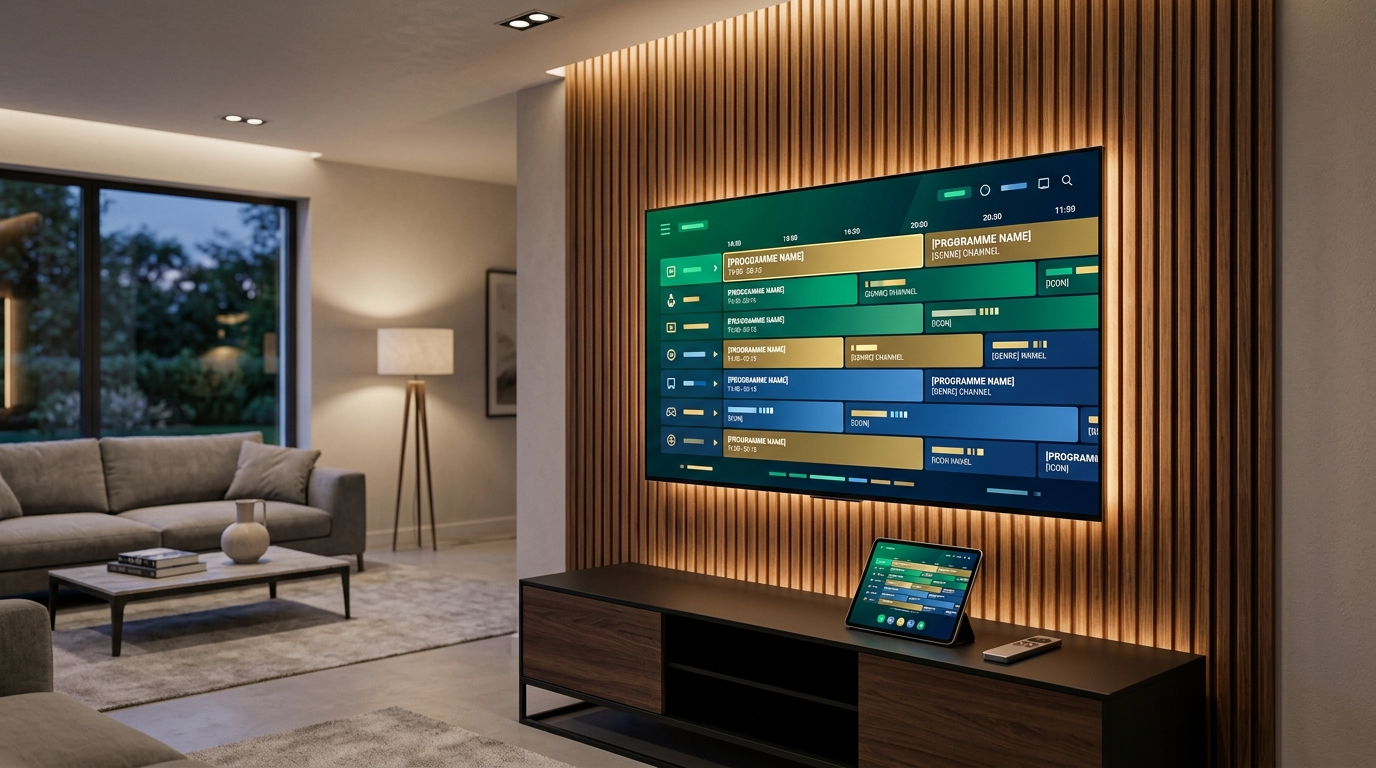
Sky TV Pricing Explained: Packages, Hidden Costs & Best Value Guide
The comprehensive guide to understanding Sky TV pricing. Analyze base packages, sports and cinema add-ons, hardware fees, mid-contract price rises, and flexible streaming alternatives.
Streaming Tech Specialist
Verified Technical Guide
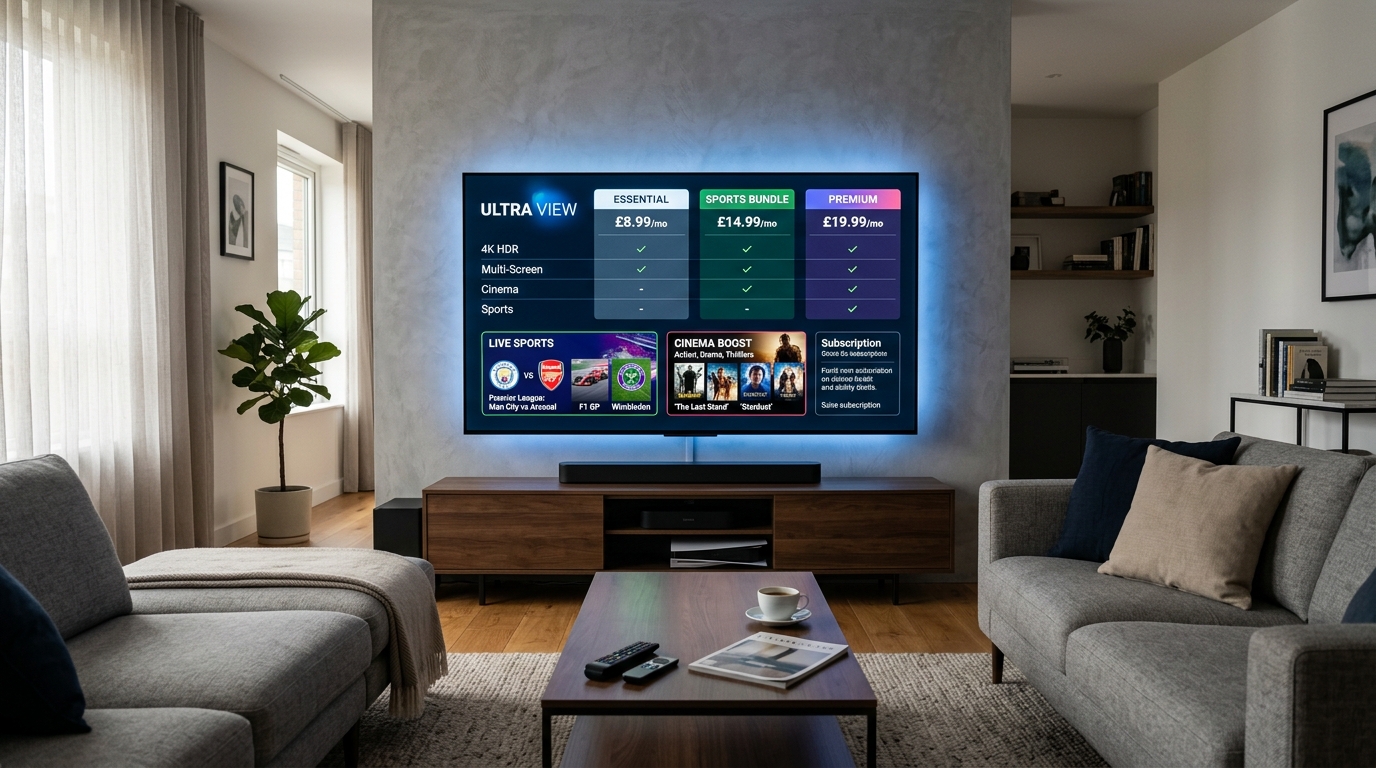
Key Takeaways & Quick Summary
- 1Sky TV pricing centers on a mandatory base tier (Sky Entertainment & Netflix), with premium sports, cinema, and multi-room services priced as modular add-ons.
- 2Hardware choices significantly impact total cost: Sky Stream offers lower upfront fees and dish-free Wi-Fi streaming, whereas traditional Sky Q entails satellite setup costs.
- 3Contract commitment affects monthly rates: 18-month or 24-month fixed contracts offer lower entry pricing but expose subscribers to annual mid-contract inflation hikes.
- 4Hidden fees—such as HD/UHD resolution surcharges, multi-screen charges, and out-of-contract price jumps—can inflate baseline monthly bills by 40% to 60%.
- 5Modern contract-free IPTV platforms provide an agile, budget-friendly alternative with all-inclusive sports, entertainment, and 4K playback at a fraction of legacy broadcast rates.
Navigating sky tv pricing can often feel unnecessarily complicated. With an intricate matrix of core entertainment tiers, optional sports bundles, cinema packages, hardware choices, and annual mid-contract price adjustments, determining the true cost of your television subscription requires careful inspection.
Whether you are contemplating a transition to Sky Stream, evaluating traditional satellite dishes with Sky Q, or seeking modern, contract-free streaming alternatives, understanding how television providers structure their subscription fees is essential to securing the best entertainment value. Compare traditional satellite fees with cost-effective IPTV plans and dedicated IPTV for sports.
How Sky TV Pricing Architecture Works
Unlike standalone streaming apps where a single fixed monthly fee unlocks the complete content catalogue, sky tv pricing operates on a modular "foundation plus add-ons" architecture. Every subscriber must first maintain an active base entertainment package before adding specialized channels or hardware enhancements.
The mandatory foundation package typically includes Sky Atlantic, Sky Max, Sky Documentaries, mainstream free-to-air channels in HD, and a standard Netflix basic tier. From there, subscribers customize their lineup by stacking thematic channel packs—such as Sky Sports, Sky Cinema, Kids, TNT Sports, and Ultra HD boosts.
Additionally, billing structures differ depending on whether you commit to an 18-month or 24-month fixed-term contract versus a 31-day rolling agreement. Rolling monthly agreements provide flexibility to cancel or pause packages, but they carry a £3 to £5 monthly premium over long-term commitments.
Comprehensive Sky TV Package & Add-on Price Breakdown
To calculate your prospective monthly outlay, review the core packages and prevalent add-on prices across standard subscription offerings:
1. Base Entertainment Tier (Sky Stream / Sky Q)
The entry tier (often branded as Sky Entertainment & Netflix or Sky Ultimate TV) typically ranges between £26 and £29 per month on an 18-month or 24-month agreement, or £29 to £32 per month on a 31-day rolling contract. It delivers over 150 live channels, extensive on-demand box sets, and standard definition Netflix.
2. Sky Sports Package Add-on
As one of the most popular sports broadcasting packages worldwide, adding complete Sky Sports access (Premier League, F1, Cricket, Golf, NFL, Tennis) typically costs an additional £20 to £28 per month under contract, or up to £30 per month on rolling terms. Single-channel sports passes are occasionally available at lower price points.
3. Sky Cinema Package Add-on
The cinema add-on generally adds £10 to £13 per month. It includes dedicated genre movie channels, daily movie premieres, complete access to Paramount+ at no extra charge, and discounted cinema tickets through partner reward schemes.
4. Ultra HD and Dolby Atmos Boost
Unlike modern streaming services that bundle 4K HDR into standard tiers, legacy broadcasters frequently levy an extra £4 to £6 monthly surcharge for 4K UHD resolution and Dolby Atmos 3D immersive surround sound playback.
5. Whole Home / Multi-Room Concurrency
To view synchronized content on secondary bedroom displays or kitchen TVs, multi-room services add approximately £12 to £15 per month, plus an upfront hardware fee for each additional streaming puck or satellite mini box.
Hardware Comparison: Sky Stream vs. Sky Q vs. Sky Glass
The device architecture you select plays a direct role in overall sky tv pricing and long-term hardware ownership:
Sky Stream (IPTV Plug-and-Play): Streams everything directly over your home Wi-Fi broadband without requiring a satellite dish on your roof. Upfront setup fees are generally low or waived during promotional campaigns. Equipment is loaned to the customer and must be returned if the contract lapses.
Sky Q (Traditional Satellite Broadcast): Requires physical satellite dish installation, coaxial cable routing into your home, and a Sky Q set-top box. While highly dependable in areas with spotty broadband, installation fees can range from £20 to £49 upfront, alongside longer contract lock-ins.
Sky Glass (Integrated Smart TV): Combines Sky streaming software directly inside a customized 4K Quantum Dot television screen. Buyers finance the television hardware separately over 24 or 48 months (costing £14 to £26/mo for the hardware alone) in addition to their active monthly TV subscription package.
Hidden Fees and Annual Contract Increases
When evaluating total subscription expenditure over a 24-month lifecycle, account for these frequently overlooked costs:
Annual Mid-Contract Inflation Adjustments: Contract fine print universally includes clauses allowing operators to raise monthly prices each April by the Consumer Price Index (CPI) or a fixed percentage (commonly 6% to 9%), meaning a £50/month package often becomes £54 to £56/month before the contract expires.
Post-Contract Price Hikes: Once promotional contract terms conclude, monthly fees routinely revert to standard rack rates, resulting in sudden jumps of £15 to £30 per month unless the subscriber actively negotiates a renewal.
Broadband Bundling Locks: While bundling home fiber broadband with television packages advertises attractive upfront discounts, decoupling the two services later can trigger cancellation penalties or elevate individual rates.
Effective Ways to Reduce Your Television Expenses
If your monthly television bill is straining your entertainment budget, implement these practical strategies to regain control of your costs:
1. Audit Channel Utilization: Review your viewing logs over 30 days. If you only watch sports during specific tournament seasons, utilize flexible rolling passes rather than 24-month commitments.
2. Renegotiate Prior to Contract Expiration: Set calendar alerts 45 days before contract end dates. Customer retention departments routinely offer 20% to 35% discounts to prevent subscriber churn.
3. Explore Dedicated Contract-Free IPTV Alternatives: For viewers seeking all-inclusive entertainment without dish installations, multi-room surcharges, or 24-month legal obligations, high-speed IPTV streaming services provide instant access to global sports, movies, and premium live television at a predictable, budget-friendly rate.
4. Check Multi-Screen Allowances: Verify whether your provider permits multi-screen streaming under a single base subscription, avoiding recurring monthly multi-room fees.
Summary of Expected Monthly Costs
Depending on the depth of programming your household requires, typical monthly outlays align with three general profiles:
Essential Entertainment Profile (Base TV + Netflix): £26 - £32 per month.
Sports & Entertainment Profile (Base TV + Netflix + Sky Sports): £46 - £60 per month.
Complete Family & Ultra HD Bundle (Base TV + Netflix + Sports + Cinema + 4K Boost + Multiroom): £75 - £95+ per month.
Evaluating these figures underscores why modern cord-cutters increasingly migrate to flexible, all-in-one digital streaming architectures.
Frequently Asked Questions
What is the cheapest way to get Sky TV?
The most cost-effective official option is Sky Stream on an 18-month or 24-month contract during introductory promotions, which includes Sky Entertainment and Netflix standard. However, contract-free IPTV platforms offer significantly lower monthly costs with comprehensive sports and international channel access included.
Do Sky TV prices increase during the contract period?
Yes. Most traditional broadcast contracts include annual price escalation clauses, typically enacted in April, which tie rate increases to the Consumer Price Index (CPI) plus an additional percentage margin.
Is Sky Stream cheaper than traditional Sky Q satellite service?
In most scenarios, yes. Sky Stream avoids dish installation surcharges, provides lower upfront hardware activation costs, and eliminates physical dish maintenance fees.
Can I cancel individual add-ons like Sky Sports or Cinema without breaking my contract?
If you selected 31-day rolling add-ons, you can cancel or switch sports and cinema packages with 31 days notice without penalty. However, if you accepted discounted add-ons locked into an 18-month agreement, you must retain them until the contract term expires.
Need Help Configuring Your Setup?
Our team is active on WhatsApp (+44 7934 683184) and email (tvplusone24@gmail.com) to walk you through playlist setup, recommend media players, or activate your subscription instantly.
Keep Reading
Recommended Streaming Guides
Sky TV Subscription USA: How to Watch British Television in America
Best Live TV Streaming Services: The Complete Guide to Modern Linear TV