Television and Cable: Smart TV Hookups, Costs & Top Alternatives
Explore how television and cable work together in 2026. Discover smart TV setup options, true monthly cost breakdowns, and how to stream live TV without expensive set-top boxes.
Streaming Tech Specialist
Verified Technical Guide
Key Takeaways & Quick Summary
- 1Modern 4K smart TVs no longer require external physical cable boxes to receive live broadcast networks, news, and sports.
- 2Traditional television and cable bundles carry substantial hidden surcharges—including $25+/mo broadcast fees and $15/mo box rentals per TV.
- 3Unbundling television from cable and pairing standalone broadband with an agile IPTV service like IPTVBoz saves households over $1,500 annually.
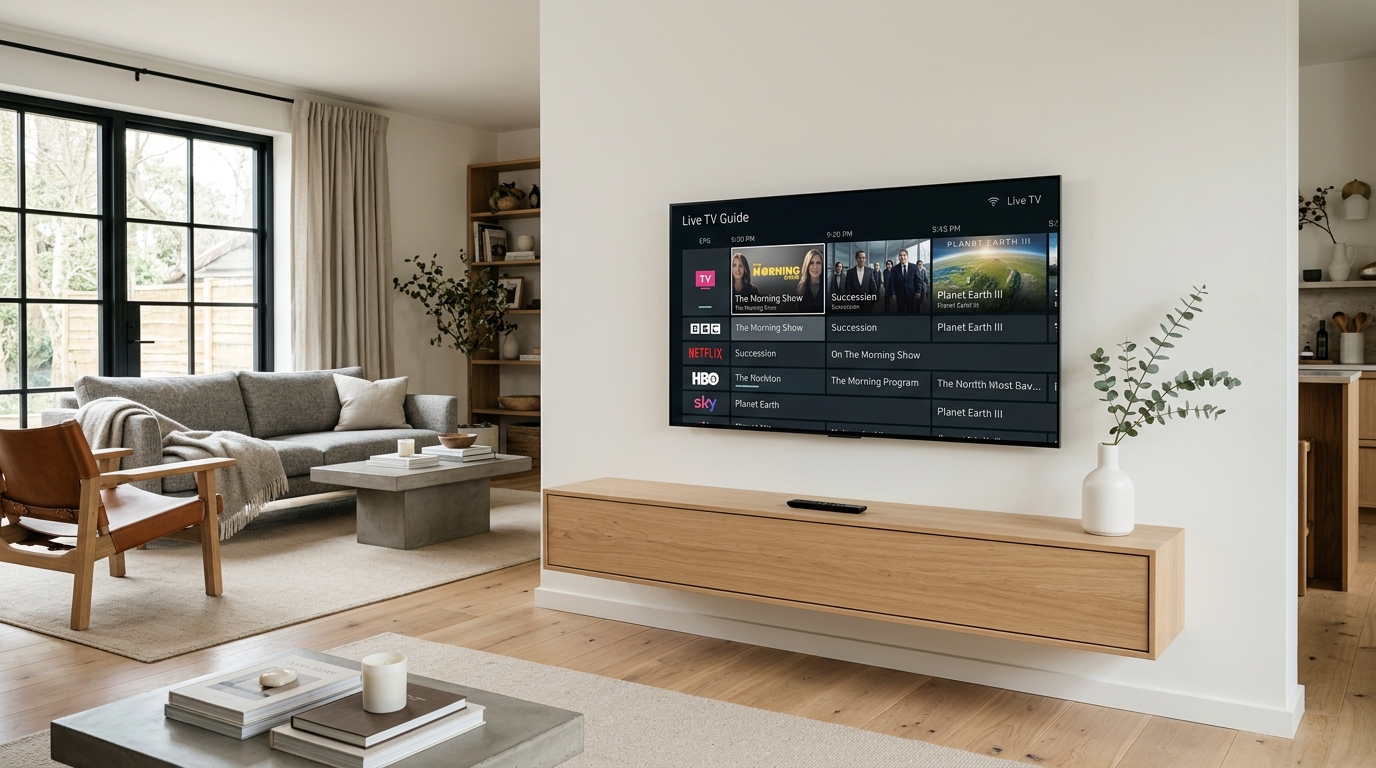
- 4Smart TV apps like IPTV Smarters Pro and TiviMate deliver full electronic program guides and instant channel surfing directly over Wi-Fi or Ethernet.
- 5Free over-the-air digital antennas can pull uncompressed 1080i/4K local network channels (ABC, CBS, NBC, FOX) with zero ongoing monthly subscription fees.
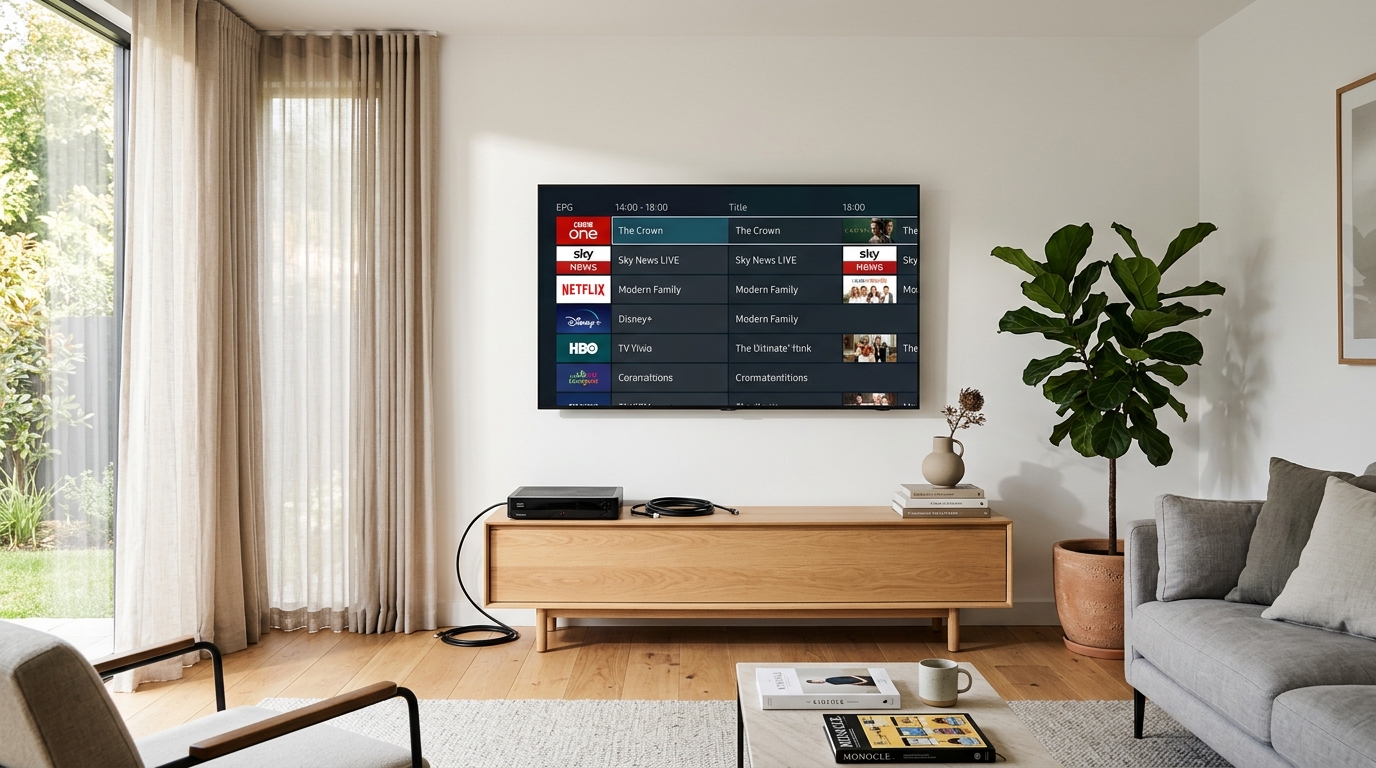
For decades, the phrase television and cable described an inseparable pair in home entertainment. If you purchased a new television set, your immediate next call was to the local cable company to schedule a technician visit, run coaxial lines through the walls, and lease a converter box.
Today, display hardware has transformed into connected smart screens powered by sophisticated operating systems. Connecting your television to broadcast programming no longer requires bulky decoder units. Explore modern alternatives on our pricing page and view our supported devices.
In this guide, you will learn how television and cable interact in 2026, explore modern hookup methods for any smart TV, break down true package costs, and discover how to access thousands of live channels without traditional cable hardware.
Do Modern Smart TVs Still Need a Physical Cable Box?
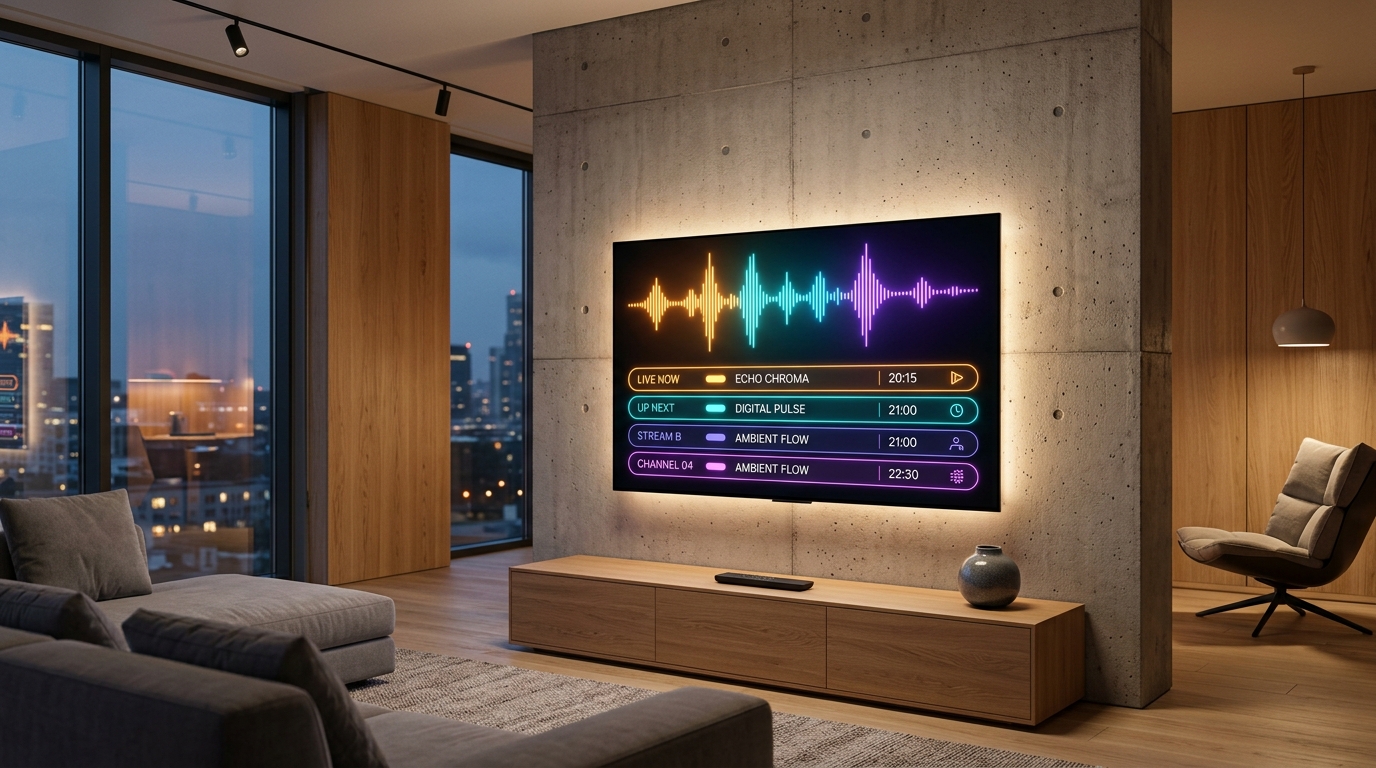
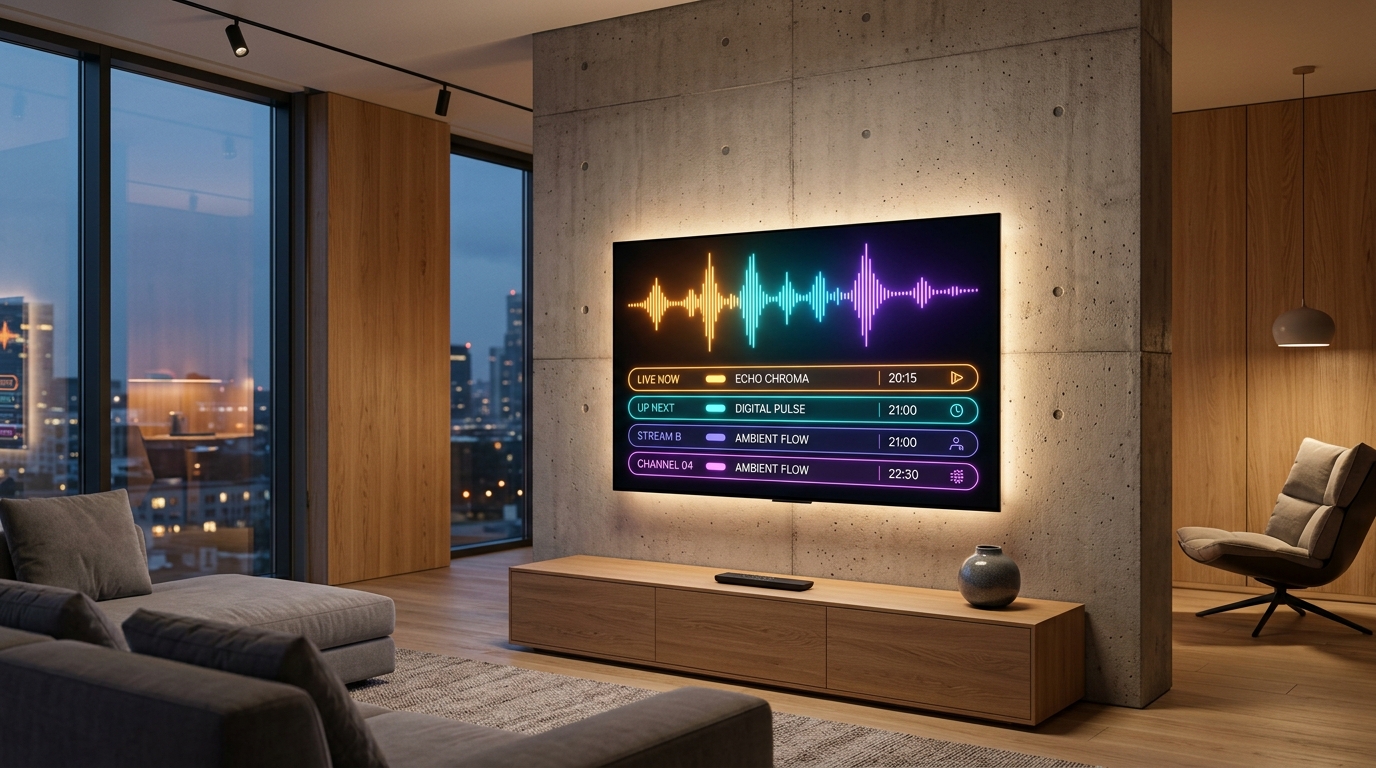
The short answer is no. Every modern display sold today—whether running Samsung Tizen, LG webOS, Google TV, or Roku OS—is fully equipped with network hardware and digital processors capable of streaming live television directly over Wi-Fi or Ethernet.
While traditional coaxial inputs remain on the back panel of most televisions, they are primarily used for free over-the-air digital antennas rather than analog cable feeds.
Legacy cable providers still push physical set-top boxes because equipment rental fees generate billions of dollars in recurring profit. However, viewers can now access complete live channel grids, cloud DVR recordings, and on-demand catalogs entirely through software applications installed directly onto the TV.
How to Connect Your Television to Live Programming
Depending on your household setup and budget, there are three primary ways to bring live television channels onto your screen:
1. Modern App-Based Streaming and IPTV (Recommended)
By downloading a streaming application or configuring a high-performance IPTV service like IPTVBoz, your television receives live broadcast streams directly over your high-speed internet connection with zero hardware rentals and instant digital activation.
2. Traditional Coaxial Set-Top Box Connection
This is the legacy method where a coaxial line enters your home and plugs into a proprietary rented cable box, which then connects to your TV via an HDMI cable. It carries high ongoing equipment costs for every screen in the house.
3. Over-the-Air (OTA) Digital TV Antenna
If you primarily watch major broadcast networks (ABC, CBS, NBC, FOX, PBS), you can screw an indoor or outdoor digital antenna directly into your TV's coaxial RF port for free, uncompressed high-definition local reception.
Television and Cable Cost Breakdown: What Subscribers Actually Pay
When shopping for television and cable packages, telecom providers often advertise bundled rates that combine broadband internet with standard TV service. However, mandatory add-on fees inflate the final bill substantially.
While basic promotional bundles start around $65/mo, adding three set-top boxes ($45/mo), broadcast TV fees ($25/mo), and sports surcharges ($15/mo) pushes the true bill past $220/mo.
By unbundling broadband and using IPTVBoz for live entertainment, the total cost drops to around $75–$90/mo total, saving over $1,500 every single year.
Advantages and Disadvantages of Traditional Television and Cable
• Pros: Independent of home internet bandwidth traffic, familiar numeric remote controls, and instant channel switching with minimal latency.
• Cons: Costly equipment leases ($15/mo per television), binding multi-year contracts, lack of mobile viewing portability, and room-by-room wiring limitations.
How to Optimize Your Smart TV for Cable-Free Streaming
1. Connect Over 5 GHz Wi-Fi or Cat6 Ethernet: High-speed 4K HDR live streams require consistent throughput to prevent wireless interference. 2. Download Dedicated IPTV Clients: Popular applications like IPTV Smarters Pro or TiviMate provide complete electronic program guides (EPG) that feel identical to a cable guide. 3. Adjust Buffer Settings: Set your streaming player buffer size to 3 to 5 seconds to absorb network fluctuations during live sports. 4. Unsubscribe from Unused Channels: Choose customizable streaming options that give you complete freedom without paying for hundreds of unwatched channels.
Frequently Asked Questions
Can I connect a smart TV directly to cable without a box?
Most modern televisions have a digital QAM tuner that can pick up unencrypted basic cable signals when plugged directly into a wall coaxial outlet. However, almost all cable providers now encrypt 100% of their channel tiers, requiring either an external converter box or an official streaming application.
Why is television and cable so expensive now?
The primary drivers of rising cable bills are escalating programming fees demanded by sports networks and broadcast affiliates. Cable companies pass these costs directly to consumers via line-item surcharges like the Broadcast TV Fee and Regional Sports Fee, which have surged dramatically in recent years.
What is the best alternative to television and cable?
Carrier-grade IPTV platforms like IPTVBoz represent the most complete replacement, delivering over 50,000 live channels, premium sports networks, and on-demand movies directly to your smart TV without hardware rental fees or long-term contracts.
Will cutting cable affect my home internet?
No. High-speed broadband operates completely independently of television service. You can keep your existing internet connection from your cable provider while dropping the television tier and set-top box rentals entirely.
Need Help Configuring Your Setup?
Our team is active on WhatsApp (+44 7934 683184) and email (tvplusone24@gmail.com) to walk you through playlist setup, recommend media players, or activate your subscription instantly.