Cable Television: Technology, Package Costs & Future
Explore how cable television works from master headend to coaxial lines. Compare real package costs, technical bandwidth constraints, and next-generation IP alternatives.
Streaming Tech Specialist
Verified Technical Guide
Key Takeaways & Quick Summary
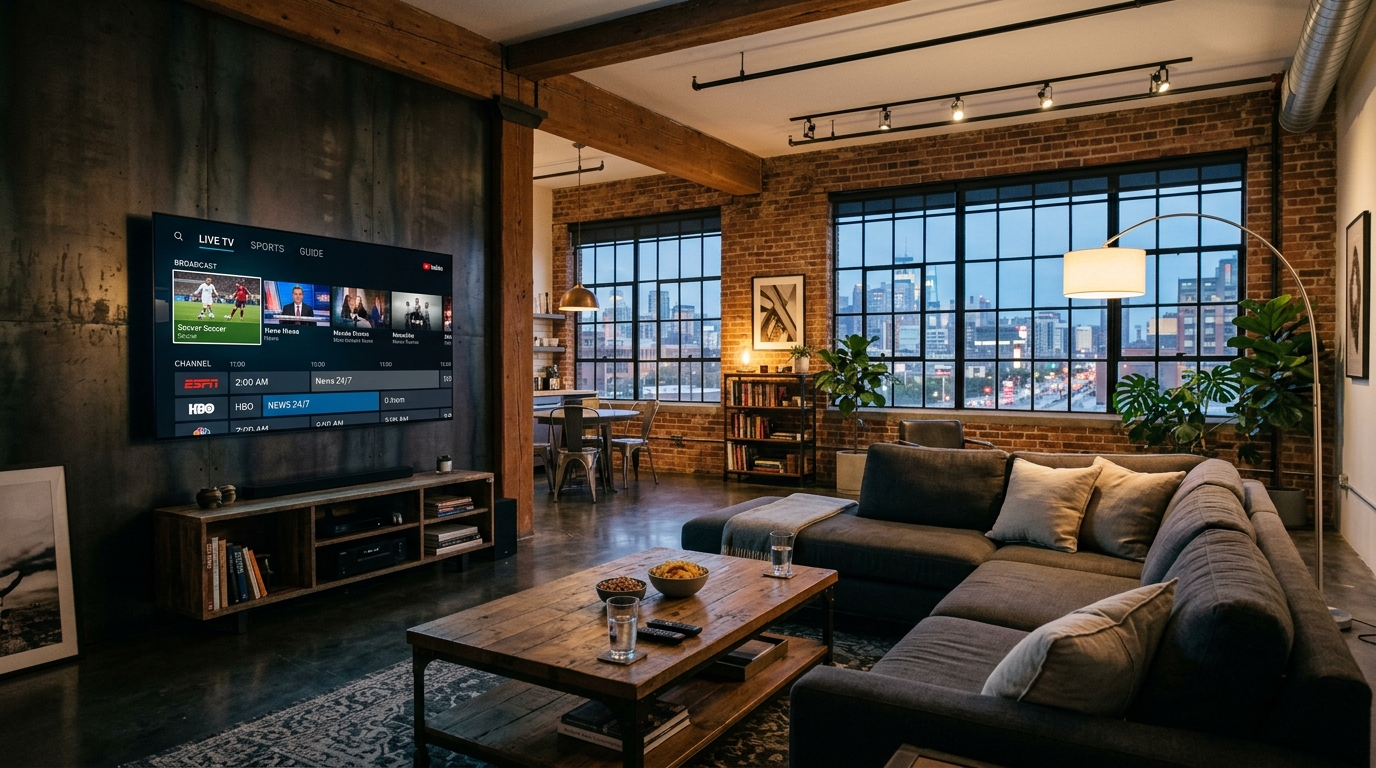
- 1Cable television (originally CATV) delivers linear video channels over Hybrid Fiber-Coaxial (HFC) networks into proprietary QAM decoders.
- 2Because physical coaxial wiring shares finite RF spectrum, traditional cable heavily compresses video, capping most broadcasts at 720p or 1080i.
- 3Hidden fees—such as Broadcast TV carriage fees ($25+/mo) and set-top box rentals ($15/mo per room)—inflate standard cable packages past $160–$200/mo.
- 4Modern carrier-grade IPTV networks transmit video over high-speed IP networks using HEVC encoding, delivering true 1080p and 4K at 60 FPS.
- 5Transitioning from legacy cable to modern IPTV like IPTVBoz saves households upwards of $1,800 annually while eliminating set-top box hardware rentals.
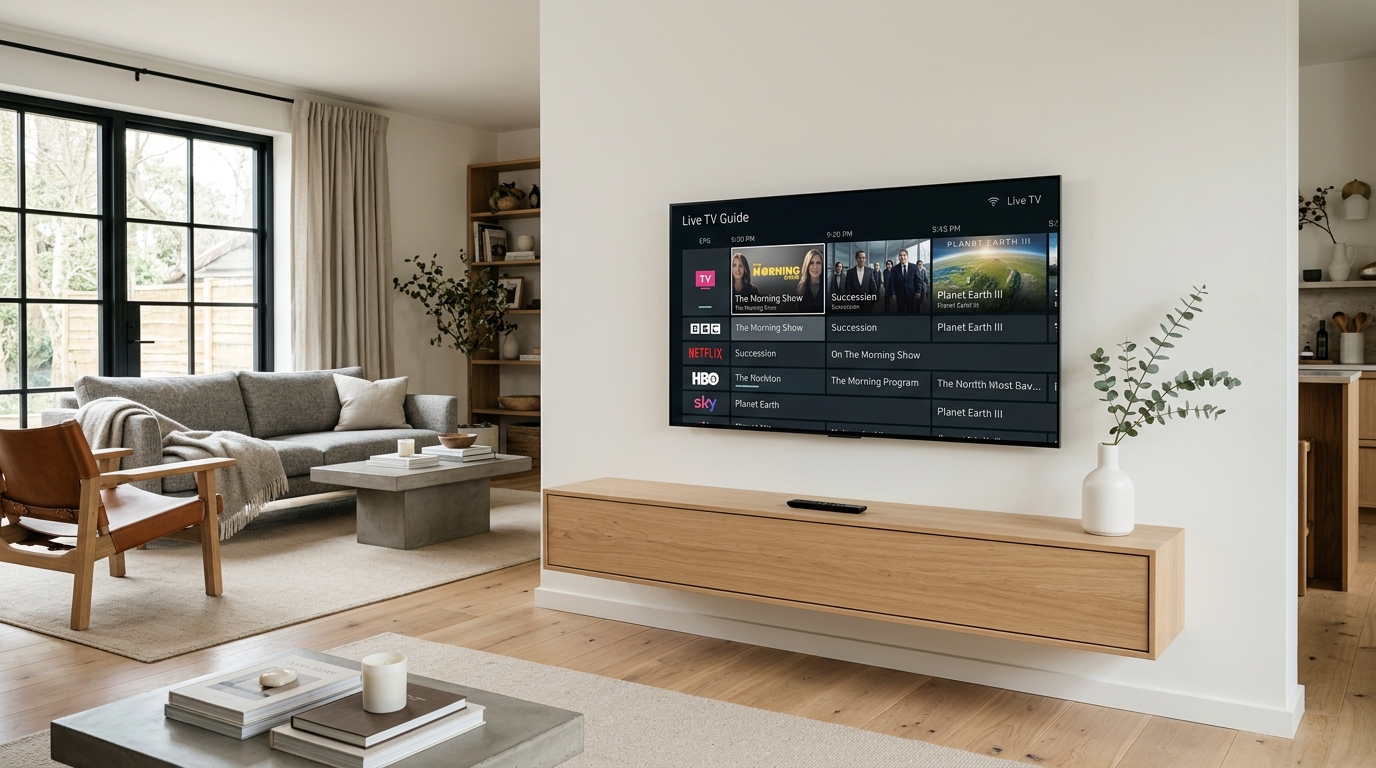
For nearly eight decades, cable television transformed how the world consumed news, cultural moments, and premier live sports. Originating as a modest mountain-town antenna relay in the late 1940s, it evolved into an expansive multi-billion-dollar utility network spanning millions of miles of underground wiring.
However, the broadcast landscape in 2026 looks vastly different. As physical fiber backbones and high-speed broadband proliferate, traditional cable television faces an unprecedented technological reckoning. Rising hardware fees, rigid channel tiers, and legacy copper bandwidth constraints are driving millions of households toward high-speed internet delivery. Explore our IPTV vs cable TV guide to see how households save over $1,200 annually by switching to flexible IPTVBoz subscription plans.
In this comprehensive guide, we examine the underlying engineering behind cable television, dissect actual subscription packages and hidden surcharges, explore why picture quality is limited on legacy coaxial lines, and examine how modern streaming alternatives deliver superior entertainment value.
The Technology Behind Cable Television: How CATV Operates
Originally known as Community Antenna Television (CATV), cable television was engineered to bring broadcast signals to communities blocked by rugged geography or distance from transmission towers.
Modern cable systems operate primarily through Hybrid Fiber-Coaxial (HFC) networks:
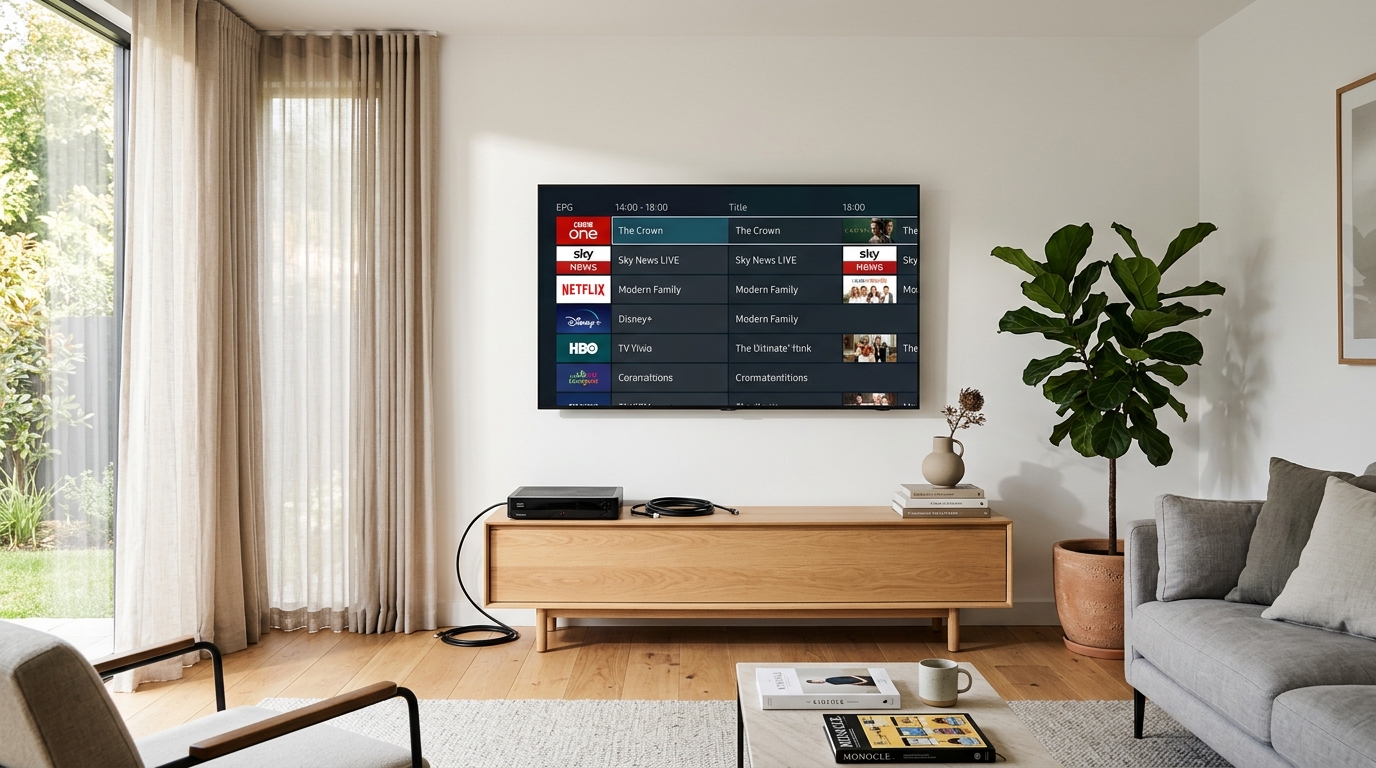
1. The Master Headend: The operator collects live satellite feeds, local broadcast signals, and premium networks at a central distribution facility. 2. Fiber-Optic Trunk Lines: Digitized video signals travel across regional glass fiber-optic backbones to local neighborhood nodes. 3. Coaxial Distribution: The node converts optical light pulses back into radio frequency (RF) electrical signals across coaxial copper cables into homes. 4. QAM Tuners & Set-Top Decoders: A proprietary converter box decodes specific RF frequencies into viewable television channels.
Because physical coaxial cable has a finite RF spectrum, operators must divide available frequency bandwidth between hundreds of linear television channels and DOCSIS internet traffic.
Why Cable Television Picture Quality Often Lags Behind Streaming
Many viewers wonder why live sports on traditional cable television often look softer or more pixelated than dedicated 4K streaming streams. The answer lies in physical bandwidth management.
To squeeze over 200 channels through a single coaxial wire, cable operators apply heavy MPEG-2 or basic H.264 compression to video feeds. As a result, the vast majority of cable channels are capped at 720p or 1080i resolutions at 30 frames per second.
In contrast, modern internet-delivered platforms utilize unicast Content Delivery Networks (CDNs). Only the specific channel you are currently watching is transmitted to your screen, enabling full 1080p and 4K Ultra HD feeds encoded in advanced HEVC (H.265) at 60 frames per second.
Traditional Cable Television Package Tiers Explained
Legacy cable providers generally divide their programming into three primary tiers:
• Basic Cable (Broadcast Basic): 20 to 40 local broadcast affiliates (ABC, CBS, NBC, FOX, PBS) alongside educational access channels. • Expanded Basic (Standard Cable): 60 to 100 popular national networks such as ESPN, CNN, HGTV, Discovery, and TNT. • Digital Preferred / Premier Packages: Over 200 channels featuring niche sports, foreign-language programming, and multiplex premium movie channels (HBO, Showtime, Starz).
Real Cost Breakdown: What Cable Television Costs in 2026
According to telecommunications billing data, non-programming fees now make up nearly 40% of the average subscriber's total monthly statement.
While baseline packages start around $75–$95/mo, adding three converter boxes ($45/mo), broadcast surcharges ($25/mo), and sports fees ($15/mo) pushes the real bill past $160–$200/mo.
In contrast, modern carrier-grade IPTV like IPTVBoz delivers over 50,000 live channels worldwide and 4K sports for just $14.99/mo or $59.99/year with zero hardware leases.
Advantages and Disadvantages of Cable Television
• Advantages: Zero internet bandwidth consumption, simple and familiar numeric remote navigation, and consolidated customer billing.
• Disadvantages: High equipment lease costs ($15/mo per room), binding 12-to-24 month contracts, complete lack of mobile viewing portability, and frequent retransmission dispute blackouts.
How to Switch from Cable Television to Modern Streaming
1. Verify Your Broadband Speed: A stable 25 to 50 Mbps connection easily supports multiple simultaneous 4K video streams. 2. Equip Your Screens: Download media player apps onto your Smart TV or connect an inexpensive Amazon Fire TV Stick 4K or Apple TV. 3. Connect Your Live Service: Activate an agile IPTV subscription from IPTVBoz to enjoy instant access to live broadcast networks, premium sports, and news. 4. Return Leased Hardware: Return all leased converter boxes and remotes to your cable provider's store to permanently remove hardware fees from your statement.
Frequently Asked Questions
What is the primary difference between CATV and modern IPTV?
CATV (traditional cable television) delivers linear broadcast signals through physical coaxial cables connected to a dedicated hardware box. IPTV delivers digitized video streams over high-speed internet connections directly to apps on your smart devices without proprietary hardware leases.
Is cable television going obsolete?
While traditional cable remains operational, subscriber numbers have dropped significantly every year. The telecom industry is steadily phasing out legacy RF video delivery in favor of IP-based streaming applications.
Can I watch cable television channels without paying equipment fees?
Yes. Modern IPTV platforms allow you to watch live national networks, premium sports, and local channels on your Smart TVs and streaming sticks with zero hardware rental costs.
What causes unexpected increases on cable television bills?
Cable bills increase primarily due to escalating Broadcast TV fees, regional sports surcharges, and the expiration of 12-month introductory promotional pricing discounts.
Need Help Configuring Your Setup?
Our team is active on WhatsApp (+44 7934 683184) and email (tvplusone24@gmail.com) to walk you through playlist setup, recommend media players, or activate your subscription instantly.