TV and Internet Packages: Real Costs, Tiers & Top Deals
Compare top TV and internet packages, expose hidden broadcast and hardware fees, and discover why unbundling standalone broadband with IPTV saves over $1,200/year.
Streaming Tech Specialist
Verified Technical Guide
Key Takeaways & Quick Summary
- 1Traditional TV and internet packages bundle broadband and linear cable, but advertised promotional prices omit mandatory fees that inflate the monthly statement by 40% to 50%.
- 2Hidden fees include Broadcast TV surcharges ($25–$35/mo), Regional Sports fees ($12–$19/mo), and hardware leases ($15/mo router + $12–$15/mo per cable box).
- 3Promotional rates typically expire after 12 months, triggering automatic price increases of $30 to $50 without any boost in internet speed or channel selection.
- 4The modern "unbundling strategy"—pairing standalone 300–500 Mbps broadband with next-gen IPTV like IPTVBoz ($14.99/mo)—cuts monthly bills from $180+ to ~$60–$70/mo.
- 5Unbundling eliminates leased hardware, saves households $1,200 to $1,800 annually, and provides over 50,000 live HD/4K channels with zero contracts.
For decades, subscribing to bundled tv and internet packages was considered the simplest way to secure household connectivity and entertainment. Major telecommunications providers pitched "Double Play" combinations as budget-friendly solutions that delivered high-speed broadband and hundreds of live channels on a consolidated monthly statement.
However, in 2026, traditional bundles rarely deliver the savings they promise. Beneath attractive introductory flyers lie escalating broadcast surcharges, mandatory hardware leases, and second-year rate increases that inflate monthly statements well past initial quotes.
In this comprehensive guide, we examine how major TV and internet bundles operate, dissect their real billing costs, and explain why the modern "unbundling" strategy—pairing standalone high-speed internet with agile IPTV—can save your household upwards of $1,200 every year.
How Traditional TV and Internet Packages Work
A standard Double Play package bundles two distinct services from a single telecommunications operator: broadband home internet and linear television programming.
Providers typically market these packages by combining specific internet download speeds with tiered channel selections:
• Entry Bundles: Combine basic 200–300 Mbps broadband with local broadcast television (20–40 channels). • Mainstream Bundles: Combine 400–600 Mbps speeds with expanded basic cable networks (80–140 channels, including ESPN, CNN, and HGTV). • Premium Bundles: Combine Gigabit fiber or coaxial connections with 200+ channels, premium movie networks, and specialty sports tiers.
While promotional flyers advertise these combinations at $89 to $110 per month, that headline figure rarely reflects what subscribers actually pay once service begins.
Exposing the Hidden Surcharges in Bundled Packages
The primary challenge with traditional tv and internet packages is fee transparency. Telecommunications operators advertise base rates while relegating mandatory add-ons to fine-print disclosures.
• Broadcast TV Surcharge ($25–$35/mo): Even though local stations broadcast free over the air, operators charge separate carriage fees totaling $300 to $420 each year. • Regional Sports Surcharges ($12–$19/mo): Any bundle containing sports channels incurs mandatory fees, even if no one in your home watches sports. • Proprietary Hardware Leases ($50+/mo): Leasing a Wi-Fi gateway ($15/mo) and three set-top boxes ($45/mo) costs over $700 annually just for rental equipment. • Second-Year Rate Hikes: Promotional discounts expire after month 12, causing monthly base rates to escalate by $30 to $50 automatically.
Comparing Leading TV and Internet Package Providers
Most regional markets in North America are served by one or two dominant telecommunications providers:
• Xfinity (Comcast): Bundles broadband internet with its X1 operating system. Fast download speeds, but heavy broadcast and regional sports fees push bills high once promotions end. • Spectrum (Charter): Markets no-contract Double Play packages pairing 300–1,000 Mbps internet with TV Select. Contract flexibility is helpful, but broadcast surcharges apply and prices reset higher in year two. • Cox Communications: Packages Contour TV with high-speed internet. Flexible channel add-ons, but mandatory modem and set-top box rental fees make multi-room homes expensive. • Optimum: Delivers fiber and cable bundles in select East Coast markets, featuring aggressive first-year discounts that normalize higher after 12 months.
The Modern Alternative: The Unbundling Strategy
Instead of locking into rigid tv and internet packages, forward-thinking consumers are embracing the unbundling revolution. The strategy is straightforward: keep fast standalone broadband ($40–$55/mo for 300–500 Mbps) and pair it with a next-generation IPTV service like View IPTV for $14.99/mo or $59.99/year.
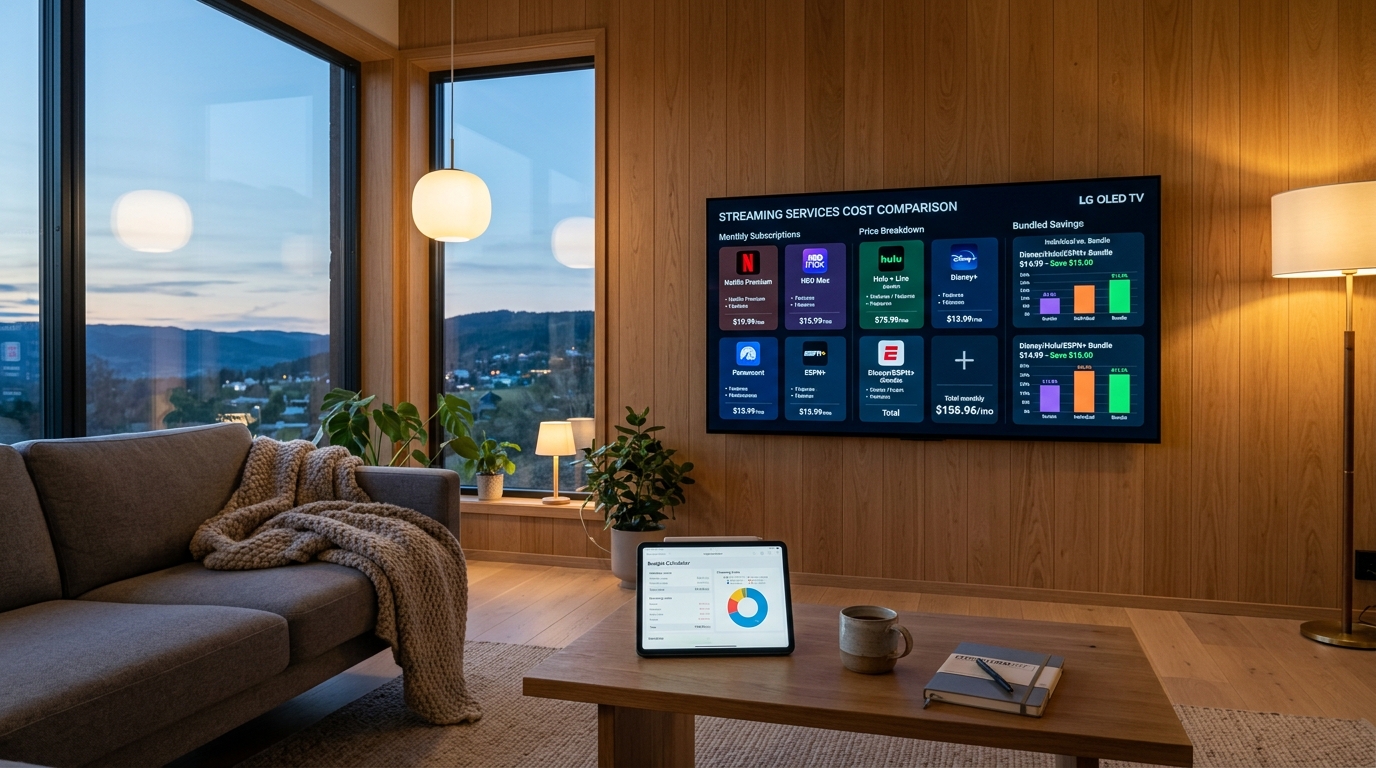
Compare the economics between legacy bundles and the modern unbundled setup: • Monthly Base Cost: Traditional bundle costs $95–$120/mo vs. Unbundled ($45 internet + $14.99 IPTVBoz) at $59.99/mo. • Broadcast & Sports Fees: Traditional bundle adds $37–$54/mo extra vs. Unbundled adding $0 in fees. • Hardware Rentals: Traditional bundle adds $50/mo (router + 3 boxes) vs. Unbundled adding $0 (use own router + smart TV apps). • Channel Lineup: Traditional bundle offers 120–200 channels vs. IPTVBoz offering 50,000+ live HD and 4K channels globally. • Total Real Monthly Bill: Traditional bundle costs $182–$224/mo vs. Unbundled costing ~$60–$70/mo total. • Annual Household Savings: Switching to an unbundled setup saves between $1,400 and $1,800 every year!
For an architectural breakdown of coaxial signal distribution, explore our technical cable television guide. To see how standalone TV options compare, check our cable television plans analysis and our best streaming service comparison chart.
How to Choose the Ideal TV and Internet Setup
Before signing a new agreement or renewing your existing service, follow this practical evaluation framework:
1. Calculate Your Real Internet Speed Needs: A single 4K stream requires only 25 Mbps, while a 1080p HD stream requires 5 to 8 Mbps. A standard 300 to 500 Mbps broadband connection provides ample bandwidth for a whole family to stream, work, and game concurrently. 2. Purchase Your Own Wi-Fi Router: Eliminate recurring modem rental fees ($15/mo) by buying a Wi-Fi 6 router. It pays for itself within six months and provides superior wireless coverage. 3. Deploy Lightweight Streaming Hardware: Replace leased cable boxes with inexpensive Amazon Fire TV Sticks, Apple TVs, or your television's built-in smart apps with zero ongoing equipment fees.
Step-by-Step: How to Break Free from an Expensive Bundle
If you want to cut your monthly bill immediately, follow these four simple steps:
1. Call Your Current Provider: Request to downgrade your service to an internet-only plan. Inquire about current promotional rates for standalone 300 to 500 Mbps tiers. 2. Return All Leased TV Hardware: Disconnect every leased cable box and power adapter. Return them to your local provider store and retain the return receipt to stop hardware billing immediately. 3. Activate Modern IP Video: Subscribe to IPTVBoz to instantly restore all your favorite live local channels, national networks, and international sports passes. 4. Enjoy Superior Freedom: Experience over 50,000 channels across every smart display in your home with no contracts, no hidden fees, and over $1,200 in annual savings.
Discover additional entertainment options in our roundup of the best streaming TV service and read our in-depth IPTV vs cable TV comparison.
Frequently Asked Questions
Is bundling TV and internet still cheaper than buying them separately?
In most cases, no. While promotional flyers suggest bundling saves money, mandatory broadcast fees ($25–$35/mo), regional sports surcharges ($12–$19/mo), and multiple set-top box rentals ($12–$15/mo per room) make traditional bundles far more expensive than pairing standalone internet with an IPTV service like IPTVBoz.
What internet speed do I need to stream TV without buffering?
A connection speed of 25 Mbps is sufficient for a single 4K stream. For multi-person households streaming simultaneously across multiple rooms while browsing the web, a 300 to 500 Mbps connection provides ideal bandwidth and headroom.
Can I cancel my TV plan and keep my internet service?
Yes. Telecommunications operators are legally required to offer standalone internet service. You can drop the TV portion of your bundle, return your leased cable boxes, and keep your broadband connection intact.
How much can I save by unbundling TV and internet?
The average household saves between $1,200 and $1,800 annually by switching from a traditional cable bundle to standalone broadband paired with an agile IPTV subscription.
Do I lose my local channels if I cancel my cable TV package?
No. High-performance IPTV services like IPTVBoz include comprehensive live local affiliate streams (ABC, CBS, NBC, FOX) alongside thousands of regional and international channels.
Need Help Configuring Your Setup?
Our team is active on WhatsApp (+44 7934 683184) and email (tvplusone24@gmail.com) to walk you through playlist setup, recommend media players, or activate your subscription instantly.